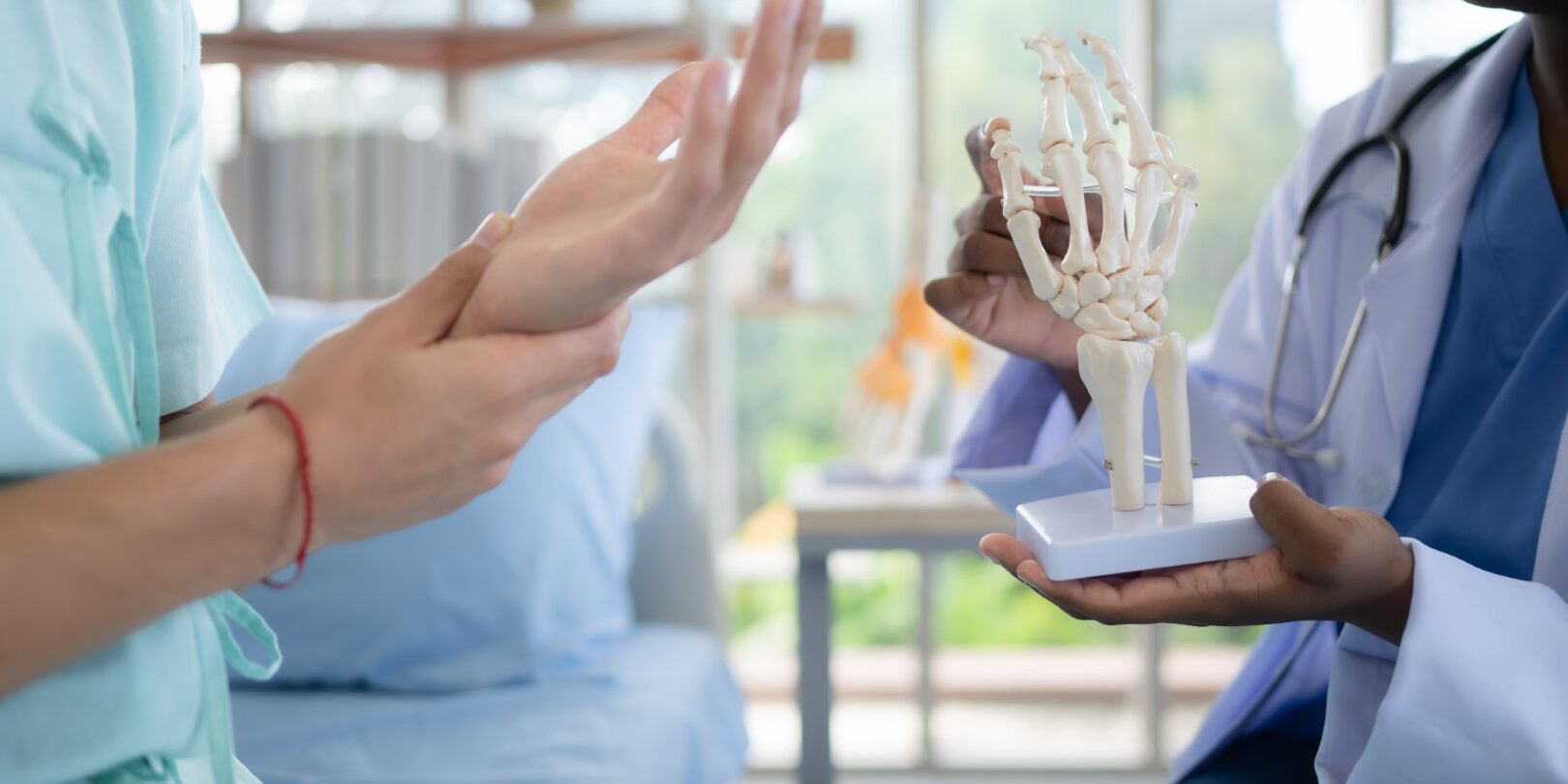
Bone health becomes more important as we age. While nutrition, exercise, and lifestyle habits remain the foundation of strong bones, many people are now asking whether CBD could play a supportive role. At All Greens Clinic, patients often want to understand how natural alternatives may fit into a broader wellness strategy. This article explores the connection between CBD and bone health, what science currently says, and how it may complement a proactive approach to osteoporosis prevention.
Understanding Bone Health and Osteoporosis
Osteoporosis is a condition that weakens bones and increases fracture risk. It develops slowly over time as bone density decreases and bone structure becomes more fragile. Although aging is a major factor, other contributors include hormonal changes, low physical activity, nutritional deficiencies, and chronic inflammation.
Traditionally, prevention focuses on weight-bearing exercise, adequate calcium and vitamin D, and lifestyle choices that support long-term skeletal health. However, research and patient interest continue to grow around cannabinoids like CBD as an additional wellness tool.
Because bone remodeling is an ongoing process, scientists are increasingly studying how the body’s endocannabinoid system might influence bone metabolism.
How CBD Interacts With the Body
CBD, or cannabidiol, is a non-psychoactive compound found in hemp and cannabis plants. Unlike THC, it does not produce a “high.” Instead, CBD interacts with receptors involved in inflammation, pain signaling, and overall balance within the body.
At All Greens Clinic, CBD products are offered as a natural, non-psychoactive option for individuals seeking alternatives for wellness support. The clinic emphasizes education and guidance so patients understand how to choose high-quality, lab-tested products and use them responsibly.
Although most people associate CBD with relaxation or discomfort management, early research suggests that cannabinoid receptors may also exist in bone tissue. This has sparked interest in whether CBD could influence bone remodeling processes.
What Research Says About CBD and Bone Health
The science is still emerging, and it is important to separate early findings from proven medical outcomes. Several preclinical studies suggest cannabinoids may influence bone formation and breakdown, but human clinical research remains limited.
Here is what researchers currently believe:
- CBD may support a healthy inflammatory response, which matters because chronic inflammation can negatively affect bone health.
- Some animal studies suggest cannabinoids could play a role in bone healing or bone cell activity.
- Human evidence for osteoporosis prevention is still lacking, meaning CBD should not replace medically approved treatments.
Because of these limitations, experts generally view CBD as a supportive wellness option rather than a proven osteoporosis treatment. Anyone considering CBD specifically for bone concerns should discuss it with a healthcare provider.
CBD for Pain and Mobility Support
While research on osteoporosis prevention is still developing, many individuals explore CBD for another reason: comfort and mobility.
Joint discomfort, stiffness, and inflammation can reduce activity levels, which indirectly harms bone health. Movement and resistance exercise are essential for maintaining bone density. Therefore, if CBD helps some individuals stay active and comfortable, it may indirectly support healthier bones through lifestyle improvements.
Community discussions often reflect this experience. Some users with osteoporosis mention that CBD helps with discomfort even though they do not view it as a treatment for the condition itself.
Of course, personal experiences are not scientific proof, but they do highlight why CBD continues to gain interest among people seeking natural wellness options.
Why Quality and Education Matter
Not all CBD products are created equal. Purity, dosage consistency, and THC content vary widely across the market. This is one reason All Greens Clinic emphasizes patient education and offers dispensary-grade CBD products designed for safety and reliability.
When exploring CBD for wellness support, consider the following:
- Choose third-party tested products.
- Understand whether the product contains THC or is THC-free.
- Start with a low dose and adjust gradually.
- Speak with a healthcare provider if you take medications or have chronic conditions.
Because CBD affects everyone differently, a personalized approach is always best.
A Balanced Approach to Osteoporosis Prevention
It is tempting to look for a single solution for bone health, but prevention works best when multiple strategies come together. CBD may play a supportive role, but it should sit alongside proven habits such as:
- Strength training and weight-bearing exercise
- Balanced nutrition rich in minerals and protein
- Regular bone density screenings when appropriate
- Fall prevention and mobility training
- Medical guidance for high-risk individuals
Many people living with osteoporosis express frustration with conflicting information online, which highlights the importance of working with trusted professionals rather than relying solely on internet advice.
By combining education, lifestyle adjustments, and professional support, individuals can build a stronger foundation for long-term bone health.
The All Greens Clinic Approach to CBD Wellness
All Greens Clinic serves the greater Phoenix area with a focus on patient education, natural wellness options, and accessible care. In addition to medical marijuana evaluations, the clinic provides a wide range of non-psychoactive CBD products and guidance to help patients make informed decisions.
For people curious about CBD and bone health, the clinic’s team can help answer questions about product types, dosage considerations, and safe usage. While CBD is not a cure for osteoporosis, it may fit into a broader wellness plan designed to support comfort, mobility, and overall quality of life.
Supporting Your Bone Health Journey
The link between CBD and bone health is an exciting area of ongoing research. Early science suggests potential, especially regarding inflammation and mobility support, yet strong clinical evidence for osteoporosis prevention is still developing. For now, CBD should be viewed as a complementary wellness tool rather than a replacement for medical treatment or proven prevention strategies.
If you are interested in exploring CBD as part of your health routine, All Greens Clinic is here to help guide you toward safe, informed choices.
Contact us today to learn more about high-quality CBD options, schedule a consultation, or speak with a knowledgeable team member about your wellness goals.